Plant Tissue Culture Lab

Innovating Plant Propagation Through Tissue Culture

At Rockhill Agritech, we are at the forefront of plant tissue culture technology, delivering advanced solutions that revolutionize sustainable agriculture, horticulture, and biodiversity conservation. Our modern lab is equipped with state-of-the-art facilities, allowing us to propagate plants efficiently and consistently while ensuring disease-free, high-quality outcomes.

By leveraging tissue culture, we offer a rapid and reliable method of producing large volumes of uniform plants, addressing the demands of commercial farming, landscaping, and reforestation projects. This method enables us to preserve genetic integrity while supporting the cultivation of rare and endangered plant species, contributing to biodiversity conservation.

What is Plant Tissue Culture ?

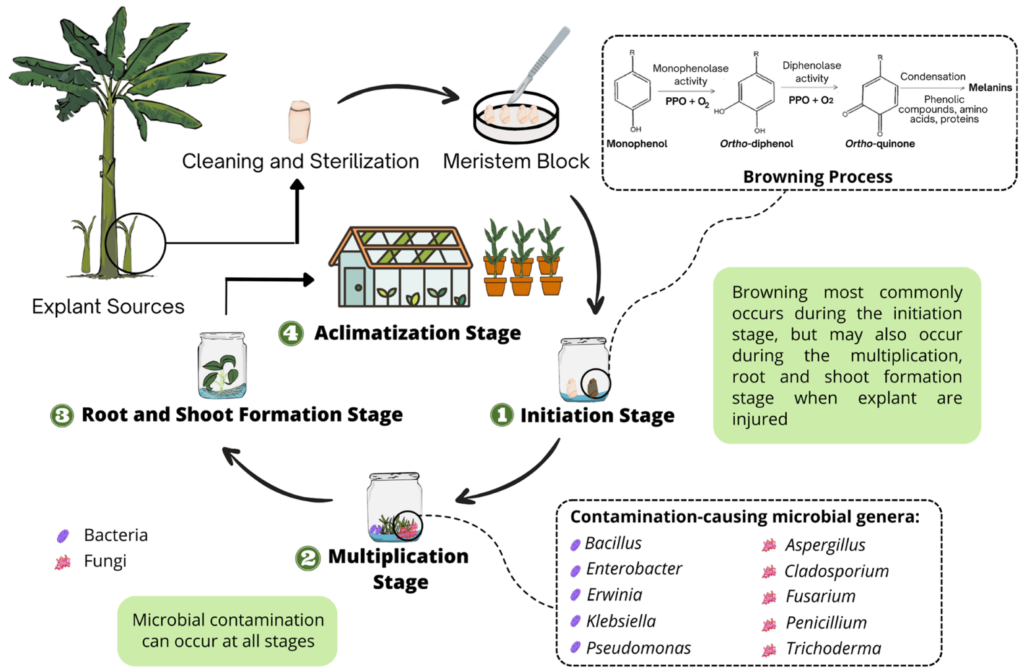
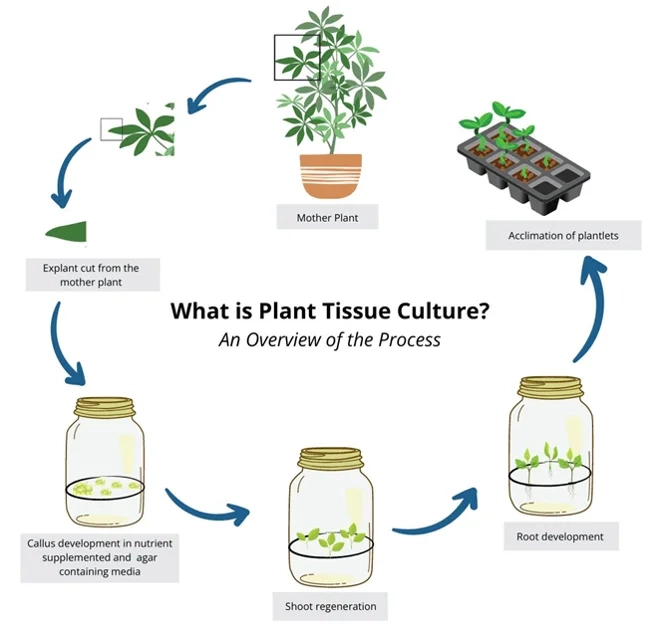
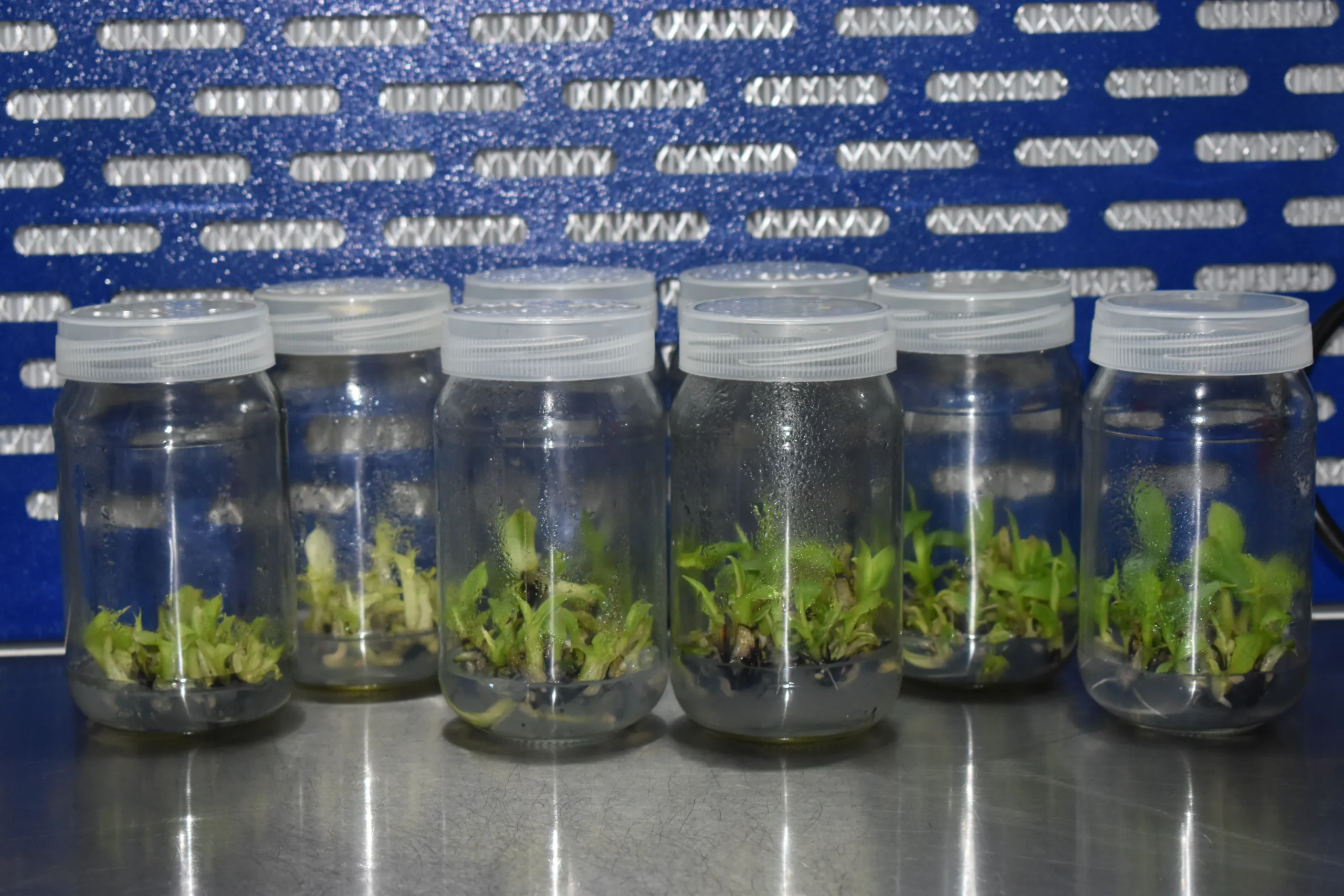
Plant tissue culture (PTC) is the process of growing plant cells, tissues, or organs in a sterile environment using a nutrient-rich medium and controlled conditions.

It works on the unique ability of plant cells called totipotency, which means a single cell can divide, develop, and grow into a complete plant.

This modern technique plays a key role in agriculture, biotechnology, and conservation because it allows precise, fast, and consistent plant production.

Our Expertise

Micropropagation

Mass production of high-yielding and uniform plants.

Disease-Free Plant Production

Ensuring plants are free from pathogens and pests.

Year Round Production

Plants can be grown year- round, regardless of the season.

Genetic Improvement

Enhancing plant traits such as yield, disease resistance, and stress tolerance.

Plant Production for All Plant Purposes

Tissue culture enables the large-scale production of various plants like banana, sugarcane, and strawberry Etc.
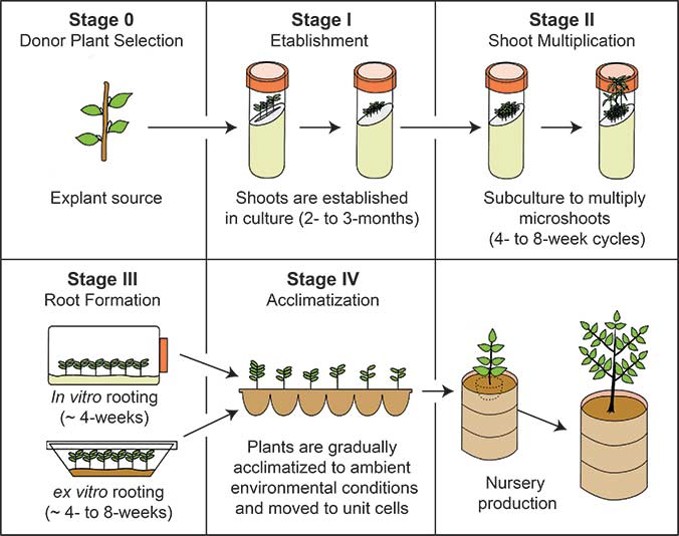
Our Process

    • Initiation: Plant tissue samples are sterilized and prepared in a growth medium.
  1.  
    • Establishment: Rooted plantlets are gradually acclimatized to external conditions before being transferred to soil for stable growth.

    • Multiplication: Plant cells are cultivated to form multiple shoots under controlled conditions.

    • Rooting: Shoots are transferred to a rooting medium to develop strong root systems.

    • Shoot Formation: The plant growth hormones for the formation of shoot are added and the growth is observed for a week.

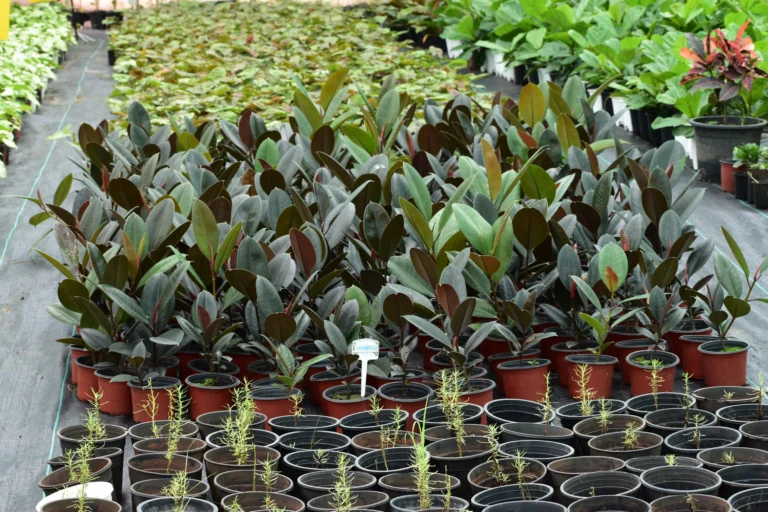
    • Acclimatization: Growing plants are moved to a greenhouse for controlled growth, then transferred to a nursery to adapt and thrive in natural conditions.

Applications of Our Services

    • Commercial agriculture and horticulture

    • Medicinal plant production

    • Research and academic projects

    • Environmental conservation  

Why Choose Us?

State-of-the-Art Facilities

Our lab is equipped with advanced tools and sterilization techniques to ensure precision and efficiency.

Experienced Team

Our team consists of highly skilled scientists, researchers, and technical experts who bring years of experience.

Customized Solutions

Tailored tissue culture services to meet the unique needs of researchers, growers, and conservationists.

Sustainable Practices

We are committed to promoting eco-friendly practices that advance global agriculture while preserving biodiversity

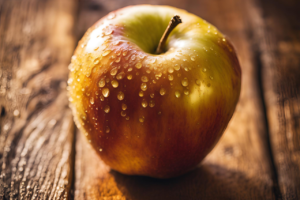
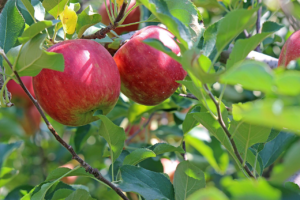
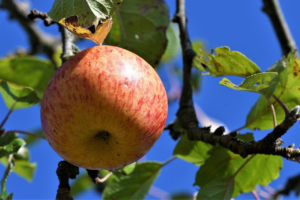
Apple

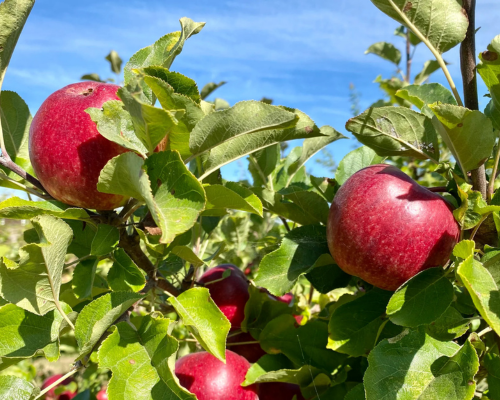
Crisp, juicy, and nutrient-rich, apples are packed with vitamins, antioxidants, and dietary fiber. They promote heart health, aid digestion, and make for a delicious and healthy snack.
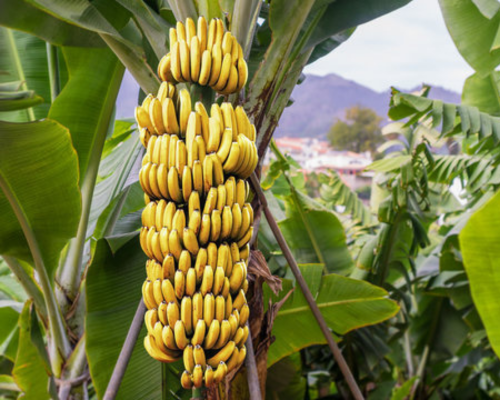
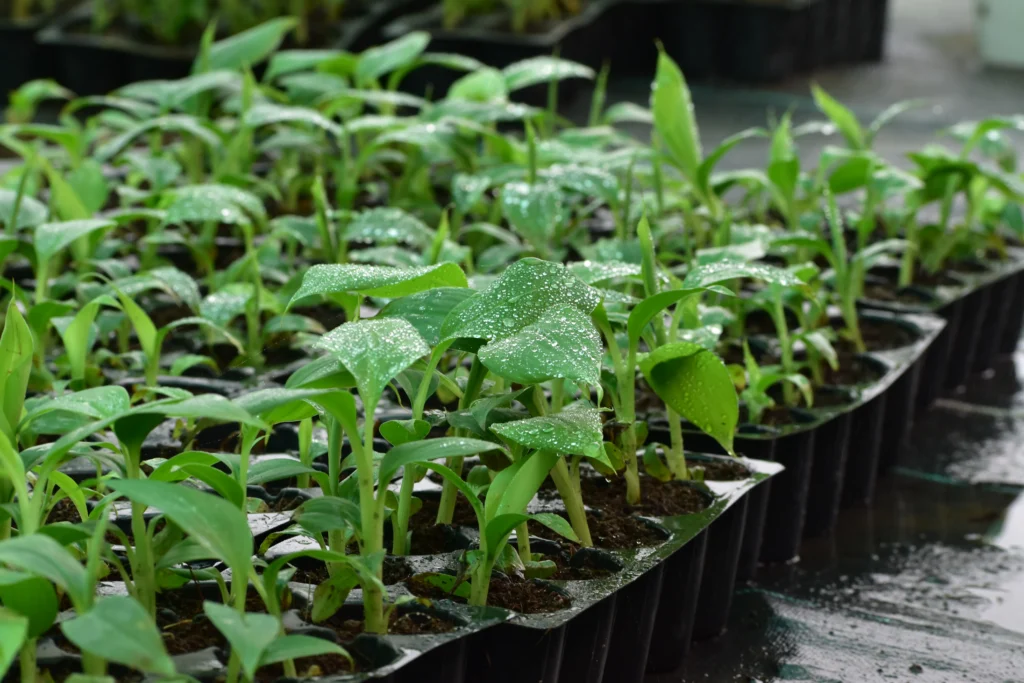
Banana

A powerhouse of energy, bananas are rich in potassium, vitamins, and natural sugars. They support heart health, aid in digestion, and provide an instant energy boost.

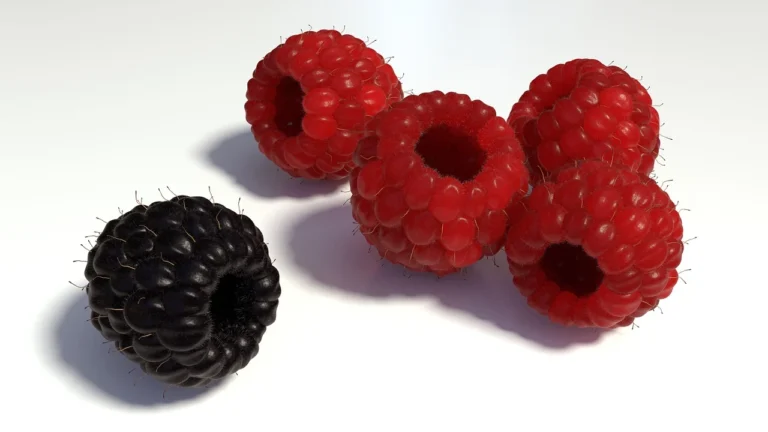
Berries

Berries like strawberries, blueberries, and raspberries are antioxidant-rich and packed with vitamins. They boost immunity, support brain health, and add a burst of flavor to any dish.

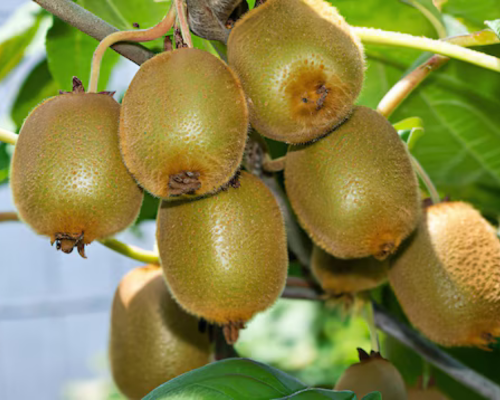
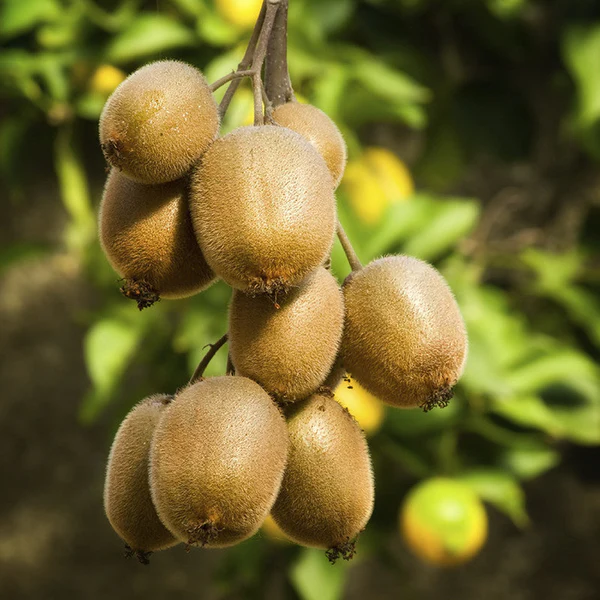
Kiwi

Known as a superfruit, kiwis are loaded with vitamin C, antioxidants, and fiber. Their tangy-sweet taste and health benefits make them perfect for boosting immunity and improving digestion.
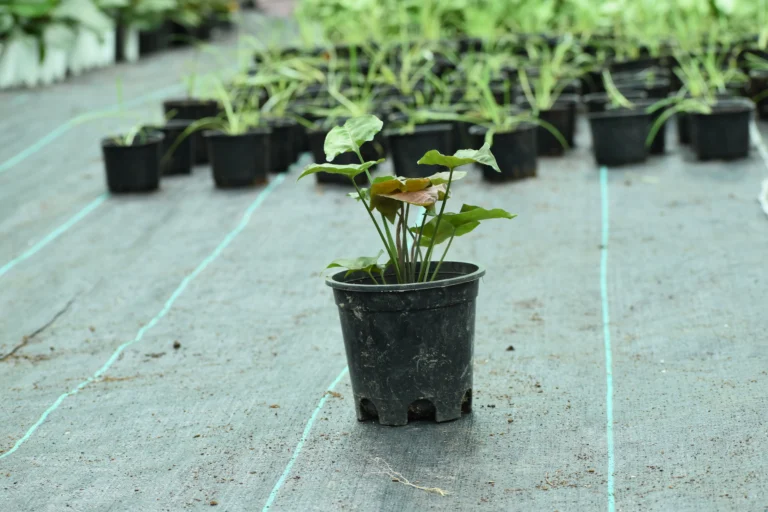
Ornamental Plants

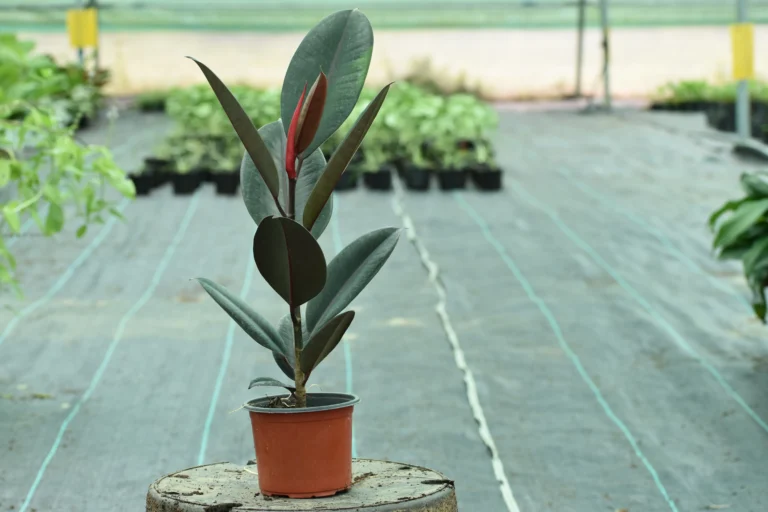
Ornamental plants are grown for their beauty. They add color, texture, and charm to gardens and indoor spaces. Examples include roses, bonsai, and decorative grasses.